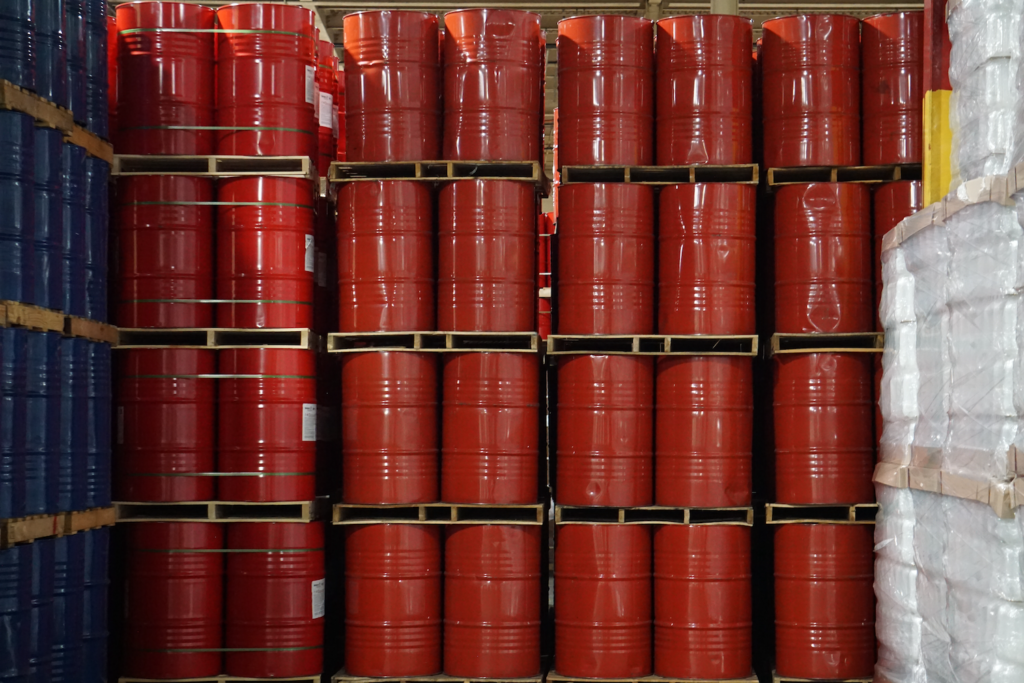
When handling and storing chemicals, safety is paramount. Unlike standard merchandise, chemicals and sensitive materials pose significant risks to both people and the environment when improperly stored in a warehouse. To mitigate these dangers, it’s crucial to store these items in a HAZMAT-certified chemical warehouse.
At Van Brunt Logistics & Warehousing, we prioritize safety when storing chemicals and hazardous materials. Our HAZMAT-certified facility boasts state-of-the-art safety protocols, ensuring the safe storage of hazardous chemicals. Join us as we discuss the pivotal role that HAZMAT certification holds in protecting your business operations.
Safety is Non-Negotiable When Warehousing Chemicals
In an era marked by heightened environmental awareness and stringent regulations, mishandling hazardous materials can lead to catastrophic consequences. It can jeopardize human health as well as property, and expose your business to significant legal liabilities. Housing your chemicals in a HAZMAT certified facility is the only responsible way to ensure your business follows safe and compliant business practices.
What Materials Require a HAZMAT Certified Warehouse?
Hazardous materials, often referred to as HAZMAT, encompass a broad range of substances that, if mishandled, can pose serious risks to human health and the environment. Materials that require HAZMAT certified warehousing include:
- Flammable liquids
- Flammable solids
- Gases
- Explosives
- Corrosive substances
- Oxidizers and organic peroxides
- Toxic materials
- Radioactive compounds
- Hazardous waste
New Jersey HAZMAT Classifications
HAZMAT materials fall into nine distinct categories, each reflecting their unique traits and associated risks. Van Brunt’s HAZMAT certification signifies our comprehensive grasp of these classifications and our unwavering commitment to follow the necessary safety protocols. Storing chemicals at our facilities not only protects the environment, but also ensures your company’s compliance with New Jersey regulations.
Safeguarding Hazardous Materials Alongside Non-Hazardous Materials
While storing hazardous and non-hazardous materials in the same facility is possible, strict adherence to safety data sheets (SDSs) and separation standards is crucial. This approach involves designating specific areas for hazardous materials and keeping substances within the same chemical class separate. These precautions minimize the risk of accidents caused by reactive substances coming into contact with each other.
Compliance with New Jersey Regulations
New Jersey follows federal regulations that govern the handling and storage of hazardous materials. At Van Brunt Logistics & Warehousing, we prioritize staying up-to-date with these ever-evolving procedures. When you store your hazardous materials in our state-of-the-art facilities, you can rest easy knowing your assets are fully compliant with all applicable laws and regulations.
Contact Van Brunt Logistics & Warehousing to explore our range of specialized services for handling hazardous chemicals. You can request an online quote or call 908-282-7080 to find out how our facilities can benefit your company.