Solar equipment can arrive weeks before an installation site is ready to receive it. Permitting delays, construction changes, and phased installation schedules can leave project teams holding valuable inventory with nowhere secure to put it. Delivering everything early can also create problems on-site, especially when laydown space is limited or several contractors need access to the same area.
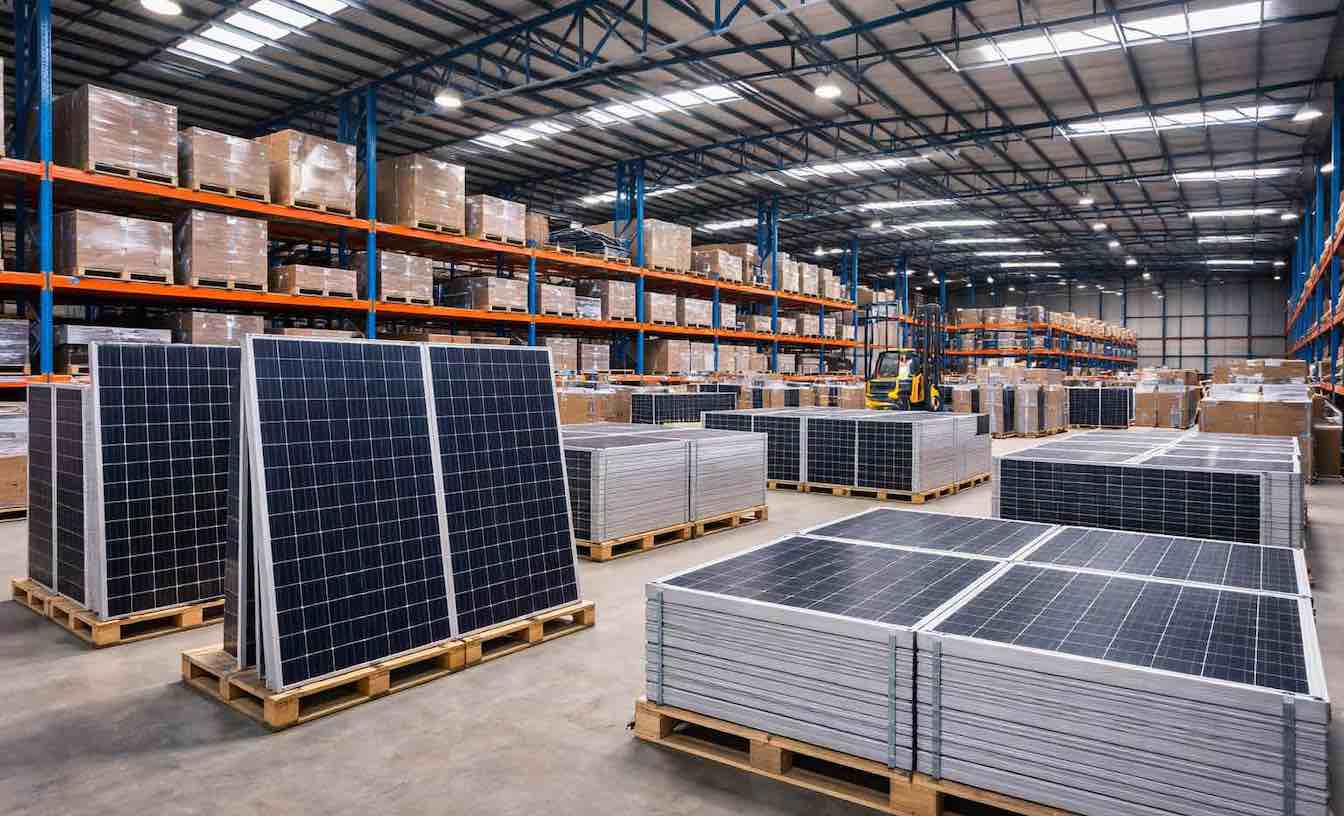
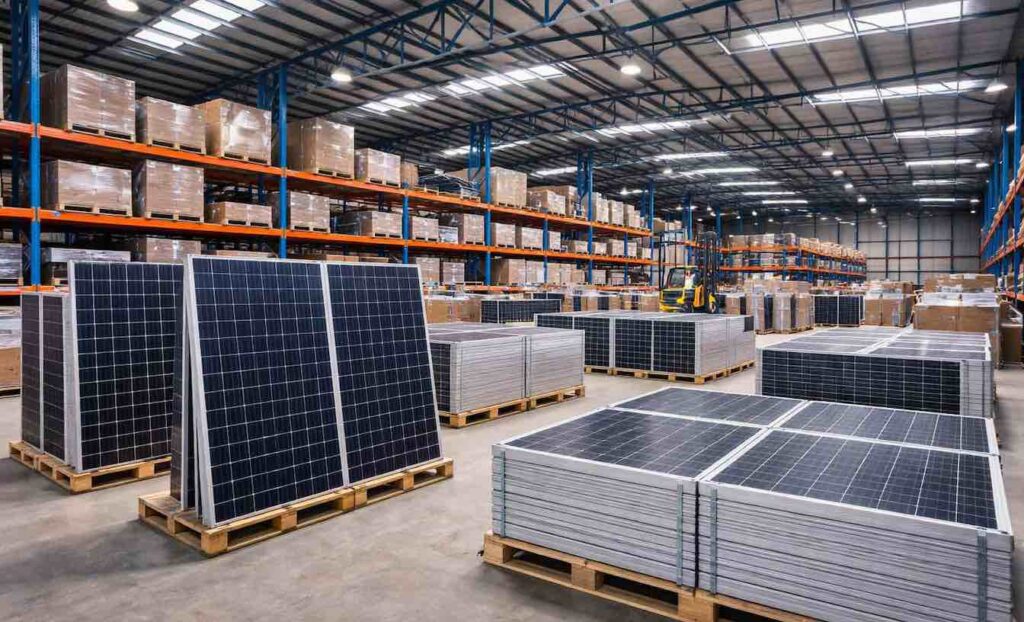
A solar equipment warehouse gives developers, EPC contractors, distributors, and installers a place to receive, store, and stage equipment until it’s needed. The right storage plan also helps teams identify shortages before installation, track which components belong to each project, and release shipments in the order crews need them.
What High-Value Solar Equipment Needs From a Warehouse
Secure Access and Documented Inventory Movement
Solar modules, inverters, and electrical components can represent a significant investment in a single shipment. When comparing warehouses, ask how each facility controls access to inventory, verifies carrier pickups, and records who authorized each release. Cameras and controlled entry are useful, and documented handoffs help you trace what moved, when it left, and where it was headed.
For a warehouse holding equipment for several projects, ask how it keeps inventory separated. Two pallets may look identical on the dock even though they contain different module models or are assigned to different sites. Tracking inventory by project, purchase order, and SKU helps prevent the wrong equipment from leaving the warehouse. Serial or lot tracking can add another level of detail when the project calls for it.
Storage and Handling That Follow Manufacturer Instructions
Solar modules, inverters, racking, and electrical equipment have different storage and handling requirements. Before the first shipment arrives, share the manufacturer’s instructions with the warehouse team, including applicable stacking limits, storage conditions, and handling procedures. The warehouse can then plan space and select equipment suited to the packaging, dimensions, and weight of each load.
Receiving is also the best time to document visible issues. Photos of crushed corners, torn wrapping, or shifted pallets give the project team a record to review before equipment is sent to the jobsite. If a shipment arrives short or visibly damaged, flagging it at receiving gives the team more time to coordinate replacements.
Stage Equipment Around the Installation Schedule
A utility-scale project might need racking first, followed by modules and electrical equipment as each section becomes ready. A commercial rooftop project may need smaller deliveries timed around a crane reservation or a limited loading window. In either case, staging inventory off-site gives the project team more control over what arrives and when.
Build Release Orders Around What Crews Need Next
Organize release orders by site, phase, or installation area. For example, a warehouse can stage the pallets assigned to the next section of an installation and verify them against the release order before loading. That gives the site team a clear picture of what’s on the truck and helps reduce the time crews spend sorting freight upon arrival.
Ask the warehouse to report what’s available for release, what’s already staged, and what’s waiting on inspection or approval. That distinction matters when a project manager needs to decide whether a delivery can go ahead as planned.
Plan for Schedule Changes Before Equipment Arrives
When booking warehouse space, share your expected inbound dates, pallet counts, equipment dimensions, and projected outbound schedule. Identify who can approve release changes and how much notice the warehouse needs to restage an order or reschedule a pickup. If one site falls behind while another moves ahead, those details help the warehouse adjust without losing track of which equipment is committed to each project.
Confirm Special Requirements for Battery Storage
If your shipment includes batteries or battery energy storage equipment, share the product documentation and storage requirements with the warehouse before routing freight. Confirm that the facility can accept the specific products and has a process for handling damaged, returned, or otherwise questionable units. Battery storage needs can vary by product and condition, so review them separately from the requirements for modules, racking, and inverters.
Plan Solar Equipment Storage With Van Brunt
Van Brunt Warehousing & Logistics works with businesses that need warehouse storage, inventory handling, and distribution support. If you’re planning an upcoming solar installation or coordinating inventory across multiple jobsites, share your equipment list, inbound dates, and delivery schedule. We can help you evaluate facility options and plan how equipment will be received, stored, and released as each site is ready.