

Coordinated Drayage and Port Transportation Services
Drayage and port services coordinate the short-haul movement of freight between ports, rail terminals, and inland distribution facilities. These services focus on container transportation, terminal coordination, and maintaining efficient freight flow during critical transfer points within the supply chain.
Drayage and port services are commonly used to support import and export operations where timing, visibility, and coordinated port access are essential to maintaining downstream transportation and distribution schedules.
Drayage and Port Services May Include:
- Port container transportation
- Rail terminal coordination
- Intermodal container movement
- Import and export freight support
- Terminal scheduling coordination
- Inland freight transportation
- Container status visibility
- Port congestion mitigation
Drayage and Port Services Within Partner Transportation Networks
Coordinating Port-Based Freight Movement
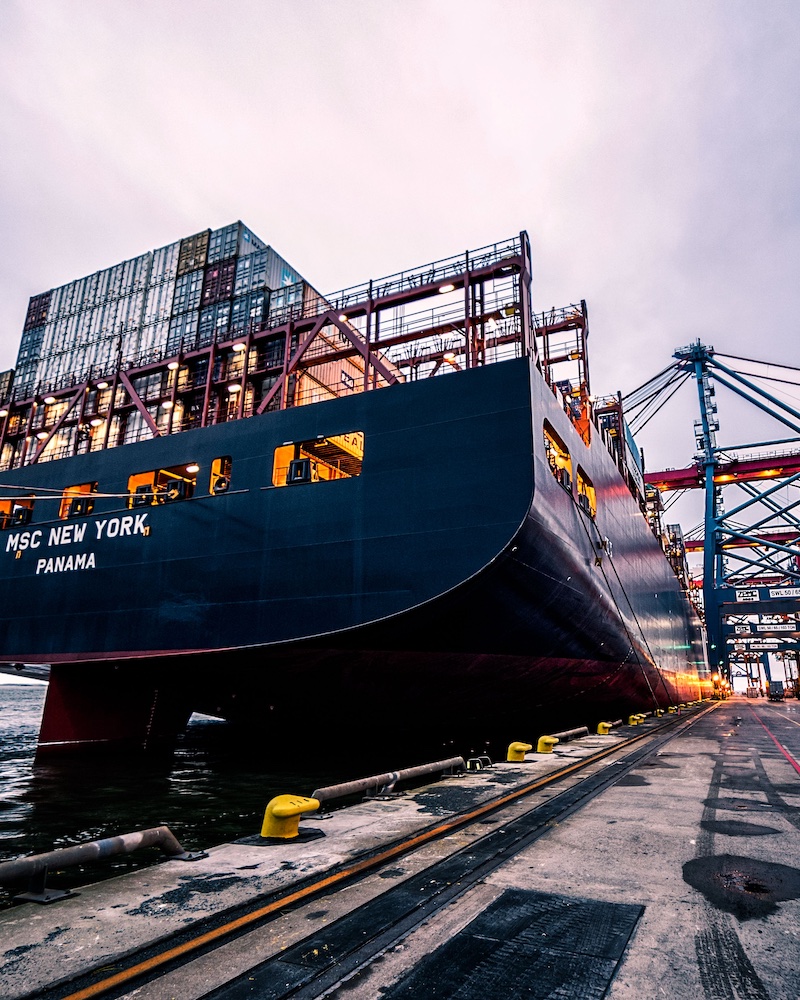
Within partner transportation networks, drayage and port services coordinate container transportation between marine terminals, rail yards, and inland facilities. Freight movement is aligned with vessel schedules, terminal availability, and downstream transportation requirements.
This approach helps reduce congestion, delays, and unnecessary dwell time within port environments.
Supporting Import and Export Operations
Drayage and port services support both inbound and outbound international freight activity. Containers are positioned for efficient transfer between ocean, rail, and over-the-road transportation to maintain continuity across global supply chains.
Container Transportation and Terminal Coordination
Short-Haul Container Drayage
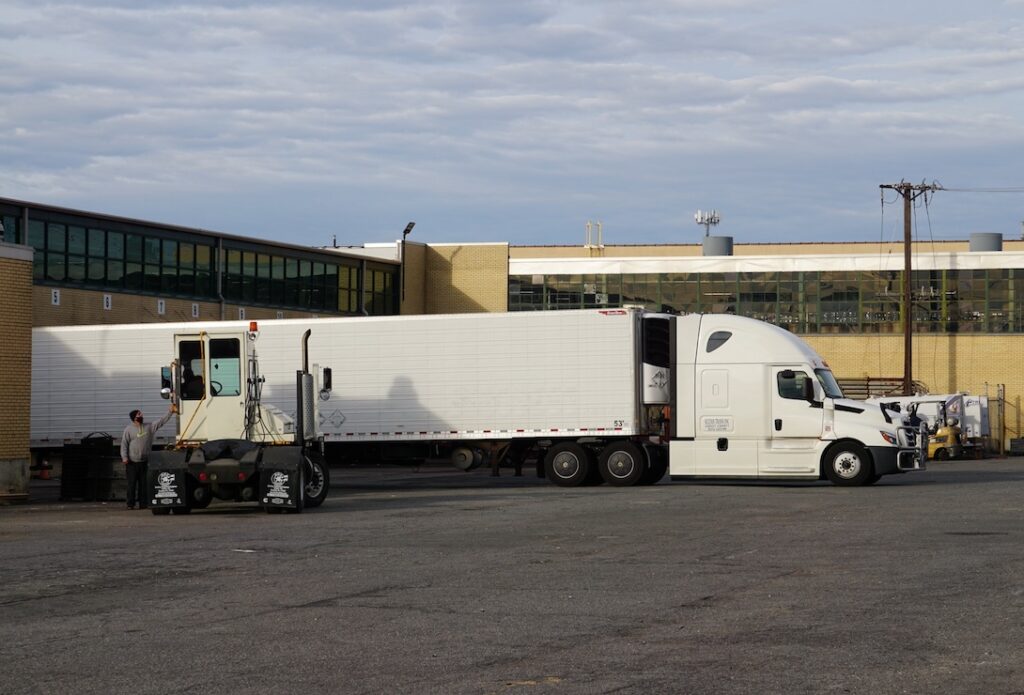
Drayage services focus on short-distance container transportation between ports, rail ramps, and nearby facilities. Movements are planned to improve container turnover and reduce bottlenecks within port operations.
Short-haul drayage plays an important role in maintaining efficiency across intermodal transportation networks.
Terminal Scheduling and Access Coordination
Drayage and port services include coordinating terminal appointments, access requirements, and container availability. Effective scheduling helps containers move efficiently through terminal environments while minimizing avoidable delays.
Visibility and Operational Control
Monitoring Container Status and Movement
Drayage and port services provide visibility into container status, movement progress, and transfer timing. Awareness of container location and availability helps improve planning and coordination with downstream transportation operations.
This visibility supports proactive decision-making during time-sensitive port activity.
Managing Port-Related Exceptions
Port environments are constantly changing, and drayage workflows are designed to manage exceptions such as congestion, schedule adjustments, or terminal access constraints. Transportation plans can be adjusted to help minimize disruption across logistics operations.
Inland Transportation Services
Aligning Drayage With Trucking and Freight Management
Drayage and port services are coordinated with inland trucking and freight management operations to maintain seamless freight movement beyond the port. This alignment helps support continuity from vessel arrival through final delivery.
Coordinated handoffs help reduce delays and improve transportation efficiency.
Supporting Intermodal Transportation Strategies
Drayage services play a key role in intermodal transportation strategies by facilitating container movement between ocean, rail, and truck transportation networks. This integration allows for flexible routing and scalable transportation solutions.
Supporting Supply Chain Continuity
Reducing Dwell Time and Congestion Impact
Effective drayage and port coordination help reduce container dwell time at terminals. Faster container movement helps improve downstream operational flow and reduces exposure to congestion-related disruptions.
Adapting to Volume and Schedule Fluctuations
Drayage and port services can adapt to changing vessel schedules, fluctuating container volume, and evolving terminal conditions. Flexible workflows help maintain continuity despite shifting port activity.
Planning a Drayage and Port Services Strategy
Drayage and port service strategies consider vessel schedules, terminal access requirements, container volume, and downstream transportation needs. Workflows are designed to maintain efficient container movement, operational visibility, and alignment with inland logistics operations.
Van Brunt Warehousing & Logistics drayage and port services, provided through partner transportation networks, are designed to support efficient container transportation, coordinated port activity, and reliable transitions between ocean and inland freight movement.
