3PL Support for Manufacturers and Industrial Companies
Manufacturers and industrial companies require logistics operations that align closely with production schedules, material flow, and downstream distribution requirements. Inventory often moves through multiple stages, from raw materials to work-in-process and finished goods, requiring structured coordination and visibility.
Logistics support for manufacturing and industrial environments must integrate seamlessly with production activity while maintaining control, accuracy, and operational continuity.
Logistics Support for Production-Driven Operations
Aligning Logistics With Manufacturing Schedules
Manufacturing operations depend on predictable material availability and timely movement. Logistics workflows are structured to support production schedules by coordinating inbound materials, staging, and outbound distribution.
Alignment between logistics and production helps reduce downtime and maintain throughput.
Supporting Variable Production Volume
Production volume may fluctuate due to demand, seasonality, or product mix changes. Logistics services are designed to adapt to these shifts without disrupting manufacturing flow or creating excess handling.
Flexible support helps maintain operational balance.
Warehousing and Inventory Management
Managing Raw Materials, Components, and Finished Goods
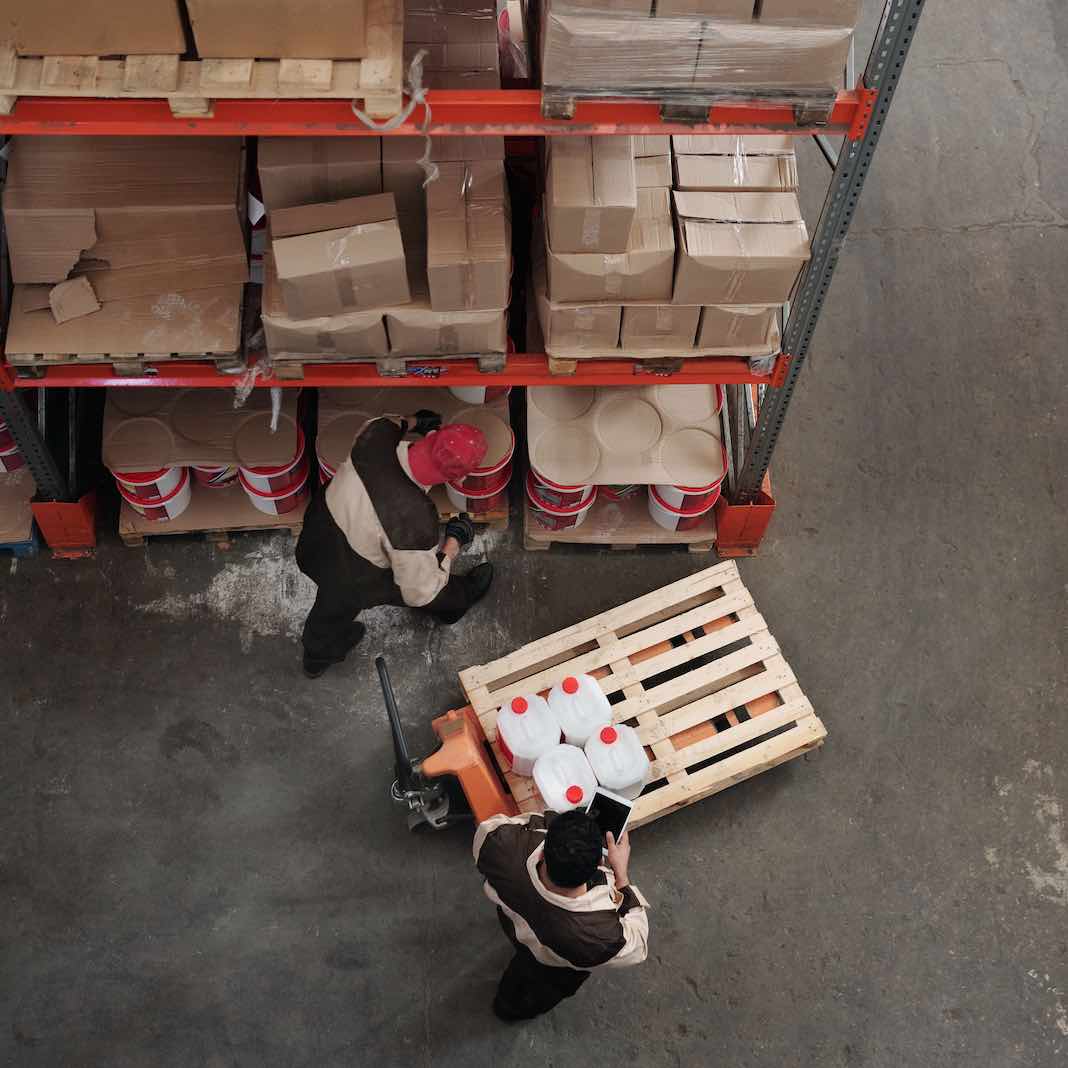
Manufacturers and industrial companies often manage diverse inventory types, each with different handling and storage requirements. Warehousing strategies support organized storage, efficient access, and controlled movement across inventory stages.
Structured inventory management supports production efficiency and downstream fulfillment.
Maintaining Inventory Visibility and Control
Accurate inventory tracking is critical in manufacturing environments. Visibility across materials and finished goods supports planning, replenishment, and coordination between production and distribution teams.
Clear inventory control helps reduce shortages and overstock.
Value-Added Services Supporting Manufacturing Operations
Staging, Assembly, and Production Support
Manufacturing operations may require staging, light assembly, kitting, or production-adjacent support to prepare goods for storage or distribution. These services are structured to complement manufacturing workflows without interfering with core production.
Support services help maintain flow between production and logistics.
Inspection, Rework, and Load Correction
Quality inspection, rework, and load correction services help address non-conforming inventory or shipment issues before products move downstream. Corrective workflows support compliance and reduce disruption further along the supply chain.
Distribution and Transportation Coordination
Supporting Outbound Distribution
Manufacturers often distribute products to distributors, retailers, or end customers. Logistics coordination helps align outbound shipments with production output and delivery schedules.
Structured distribution support helps maintain predictable delivery performance.
Coordinating Freight and Transportation Modes
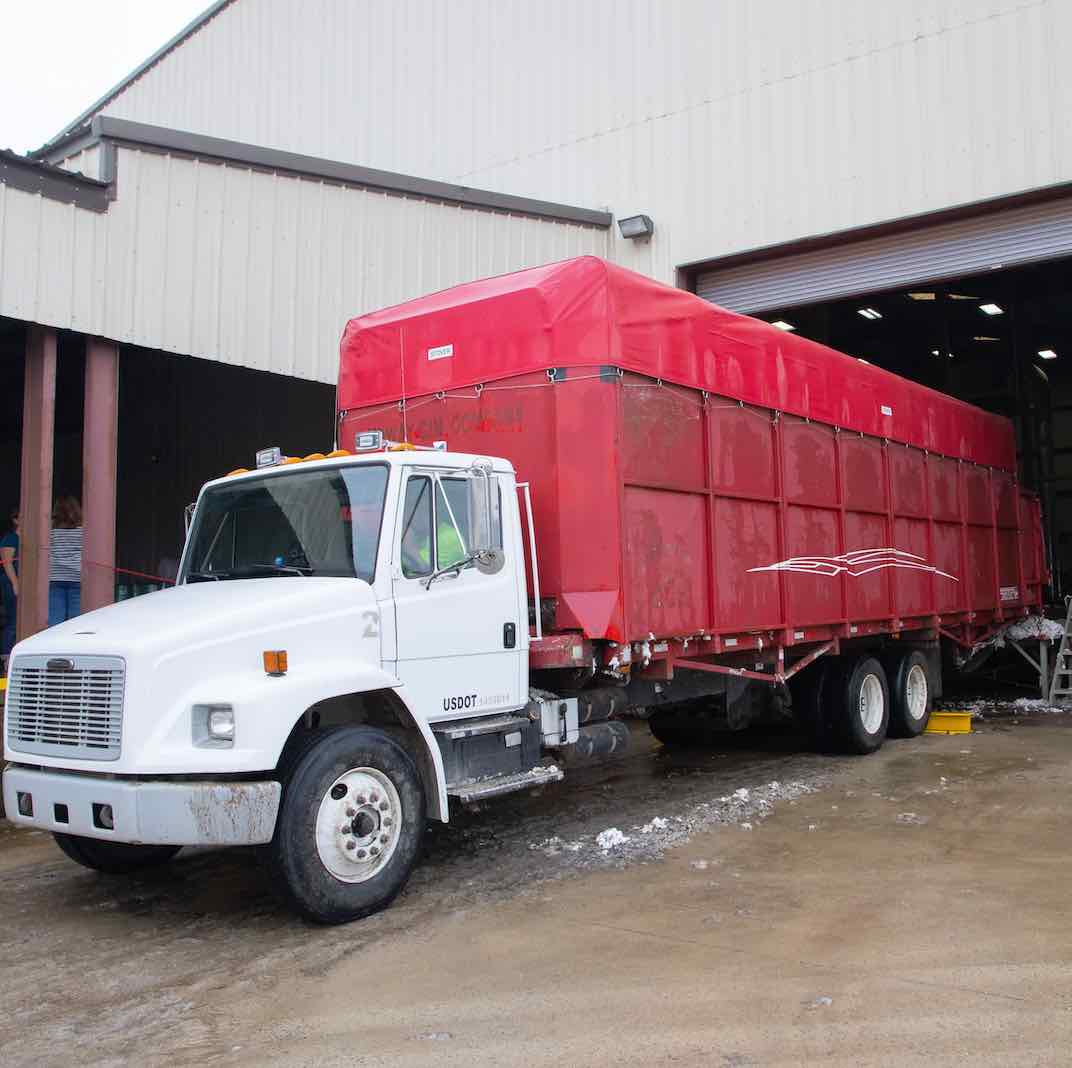
Manufacturing logistics often involve multiple transportation modes, including trucking, freight, and drayage. Coordinated transportation strategies help ensure efficient movement from production to destination.
Supporting Industrial Operations and Compliance
Handling Industrial and Regulated Materials
Industrial companies may manage materials with specific handling, storage, or compliance requirements. Logistics workflows are structured to support these requirements while maintaining safety and accuracy.
Compliance-aligned handling supports operational integrity.
Managing Exceptions Without Production Disruption
Unexpected issues such as damaged materials or shipment adjustments can impact production schedules. Logistics support helps resolve exceptions efficiently without interrupting manufacturing operations.
Supporting Growth and Operational Stability
Scaling Logistics With Production Expansion
As manufacturing operations grow, logistics requirements expand. Services are structured to scale alongside production volume, facility expansion, or product diversification.
Scalable logistics support helps maintain stability during growth.
Reducing Operational Risk
Manufacturing environments require high reliability. Structured logistics workflows help reduce operational risk by supporting consistency, visibility, and coordinated execution.
Planning a Logistics Strategy for Manufacturers and Industrial Companies
Logistics strategies for manufacturers and industrial companies consider production schedules, material flow, inventory complexity, and distribution requirements. Services are structured to support efficiency, continuity, and alignment between production and logistics operations.
Van Brunt Warehousing & Logistics supports manufacturers and industrial companies with logistics services designed to integrate with production-driven environments while maintaining control, visibility, and reliable execution across the supply chain.