Exporting goods to the United States opens the door to one of the largest consumer markets in the world—but it also comes with regulatory complexity. From customs clearance to storage logistics, understanding the process can help you avoid costly delays and ensure a smoother supply chain. Whether you’re shipping raw materials, finished goods, or e-commerce inventory, preparation is key.
Navigating U.S. Customs Requirements
Before your goods ever reach American soil, they must comply with U.S. Customs and Border Protection (CBP) regulations. This includes submitting accurate documentation such as a commercial invoice, packing list, and bill of lading. In many cases, you’ll also need to identify your goods using the correct Harmonized Tariff Schedule (HTS) code and determine the applicable duties. Working with a licensed customs broker can streamline this process, reducing the risk of misclassification or documentation errors that can lead to fines or delays.
Storage and Distribution After Arrival
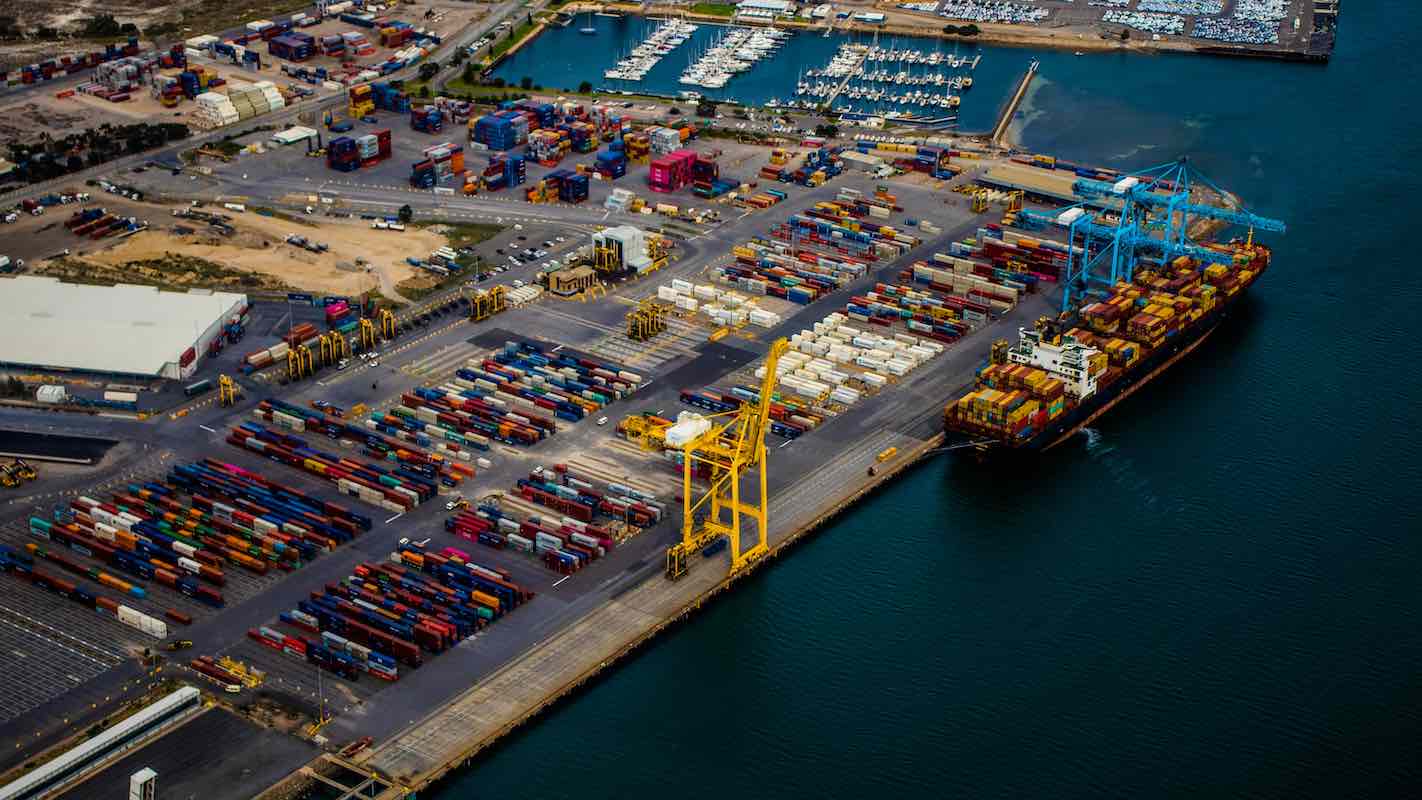
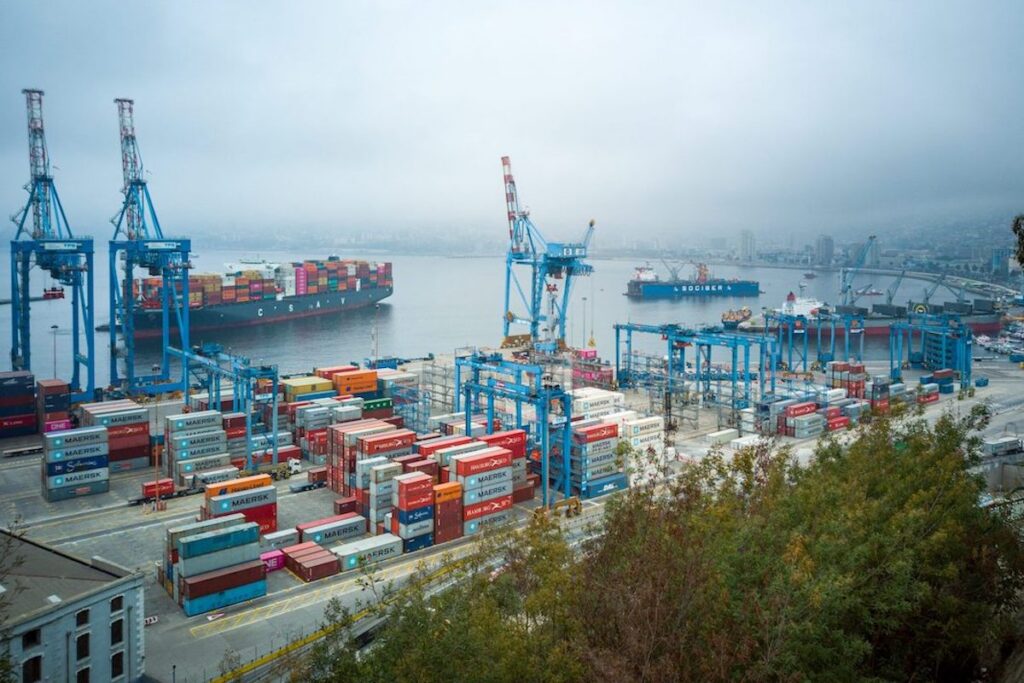
Once your shipment clears customs, you’ll need a plan for short-term storage or long-term warehousing—especially if your goods are arriving in bulk or require inspection before distribution. Many exporters use third-party logistics (3PL) providers that offer bonded warehousing near major ports like Newark, Savannah, or Los Angeles. Bonded warehouses allow you to store goods duty-free until they are officially imported or re-exported, offering a valuable cash-flow advantage.
Key Considerations for Storage in the U.S.
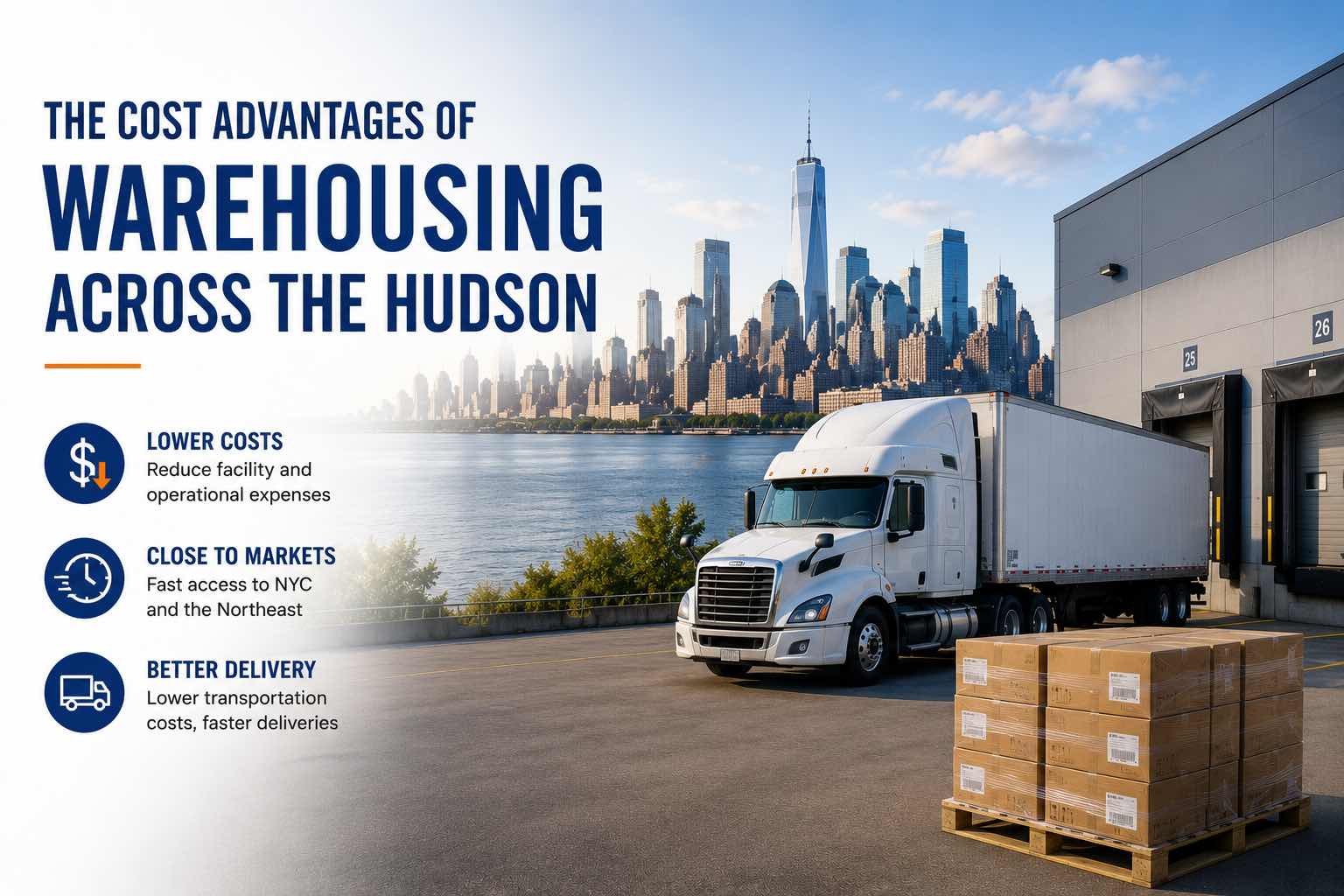
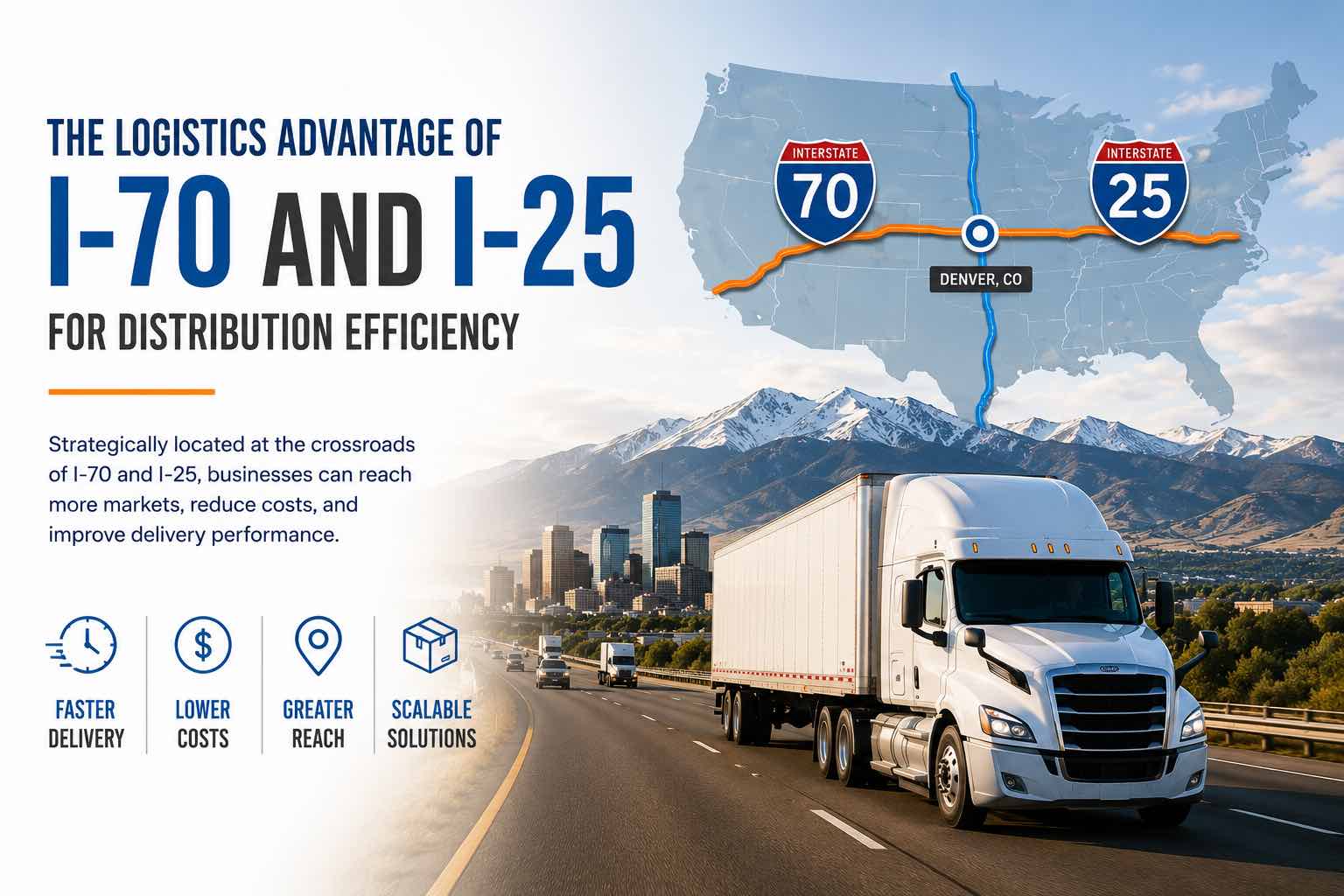
- Location: Proximity to ports, railways, and major highways can reduce final delivery times and costs.
- Bonded vs. Non-Bonded: Choose bonded storage if you want to delay duty payments or may re-export.
- Compliance: Ensure your warehouse partner complies with FDA, USDA, or other agency requirements if you’re shipping regulated goods.
- Technology: Look for facilities with inventory tracking systems that integrate with your ERP or e-commerce platform.
Final Tip: Plan for Scalability with VanBrunt
As demand grows, your warehousing and customs strategy should scale with it. Partnering with experienced logistics providers can help you adapt quickly—whether that means expanding to new markets, managing reverse logistics, or optimizing distribution across multiple states.
If you’re planning to export goods to the U.S., don’t leave customs and storage logistics to chance. Partner with a warehousing provider that understands the intricacies of international trade, bonded storage, and compliance. Our team is here to help you streamline the process, reduce costs, and ensure your shipments move smoothly from port to final destination. Contact us today to discuss your warehousing and logistics needs.