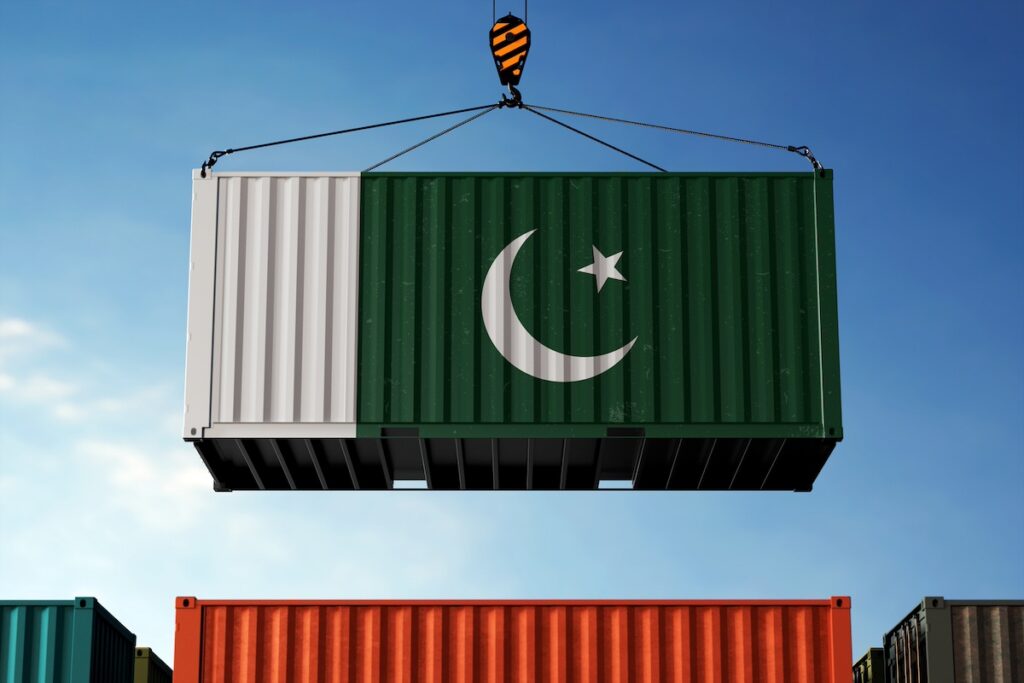
Pakistan continues to be a valuable sourcing partner for U.S. importers, especially in industries like textiles, leather goods, medical instruments, and home décor. For businesses bringing cargo into the United States from Pakistan, understanding the logistics, customs process, and required documentation is essential to avoid costly delays and ensure smooth delivery.
Understanding Transit Options from Pakistan
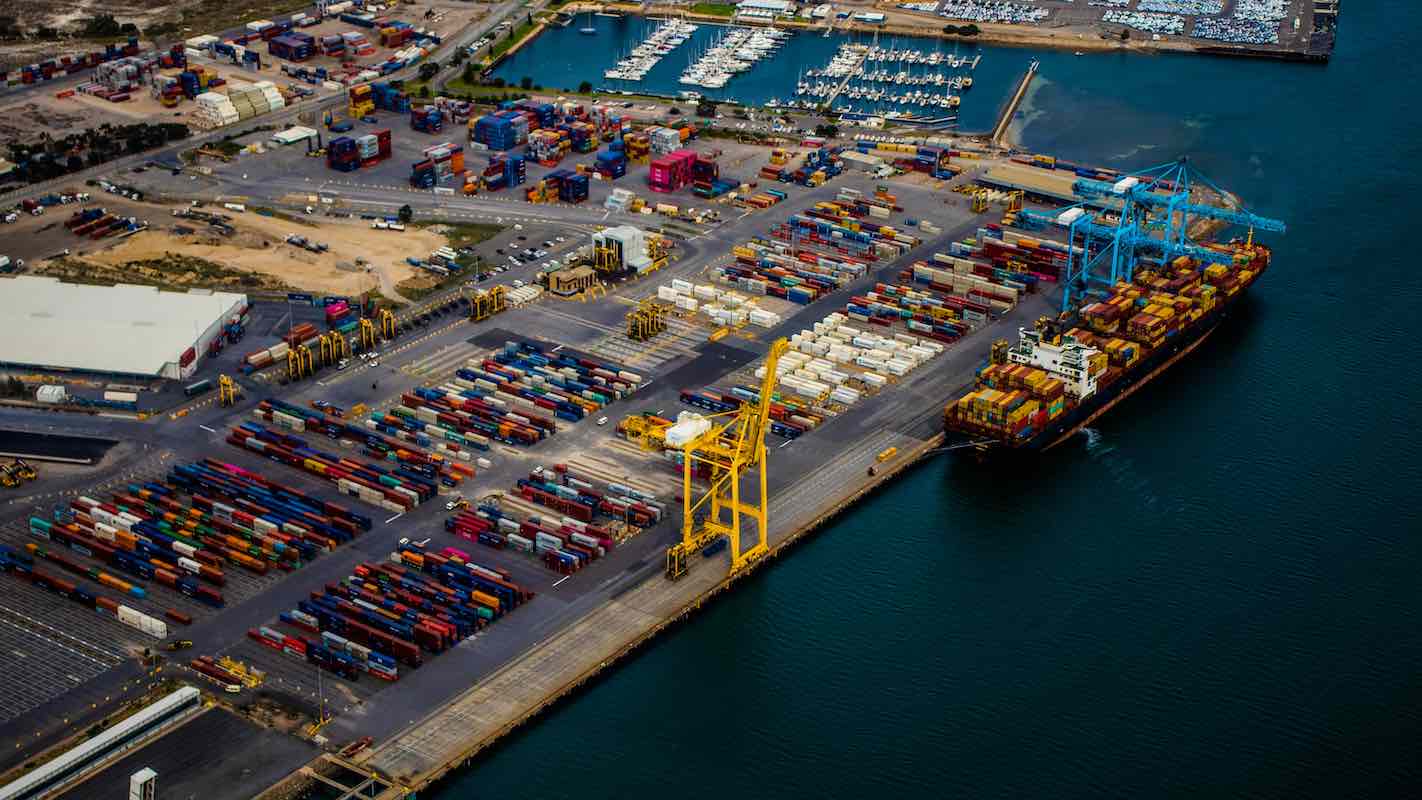
Most cargo from Pakistan moves by ocean freight, with the ports of Karachi (Port Qasim and Karachi Port Trust) serving as the country’s primary gateways. These shipments typically pass through the Suez Canal and across the Atlantic before arriving at the Port of New York and New Jersey. Transit times can range from 30 to 40 days depending on the carrier and routing.
Air freight is also an option for time-sensitive shipments, with major U.S. arrival points including JFK and Newark airports. While faster, air freight is significantly more expensive and best reserved for high-value or urgent items.
Required Documentation for Customs Clearance
To clear U.S. Customs smoothly, every shipment from Pakistan must be accompanied by the proper documentation. This includes a commercial invoice detailing the transaction, a packing list outlining the shipment contents, and a bill of lading issued by the carrier. Importers must also submit an Import Security Filing (ISF) — commonly known as the “10+2” — to U.S. Customs at least 24 hours before the vessel departs Pakistan.
Other required items may include a customs bond, a certificate of origin (if needed), and any delivery instructions or arrival notices from the freight forwarder.
U.S. Customs Process at Port NJ/NY
Once your shipment reaches the Port of New York and New Jersey, it goes through the U.S. Customs and Border Protection (CBP) clearance process. Customs officials assess the Harmonized Tariff Schedule (HTS) code, declared value, and country of origin to determine duties and verify compliance.
Many products sourced from Pakistan — especially textiles and apparel — have specific labeling, documentation, or tariff requirements that must be followed closely. Working with an experienced customs broker or a logistics provider can help navigate this process efficiently.
What Happens After Clearance
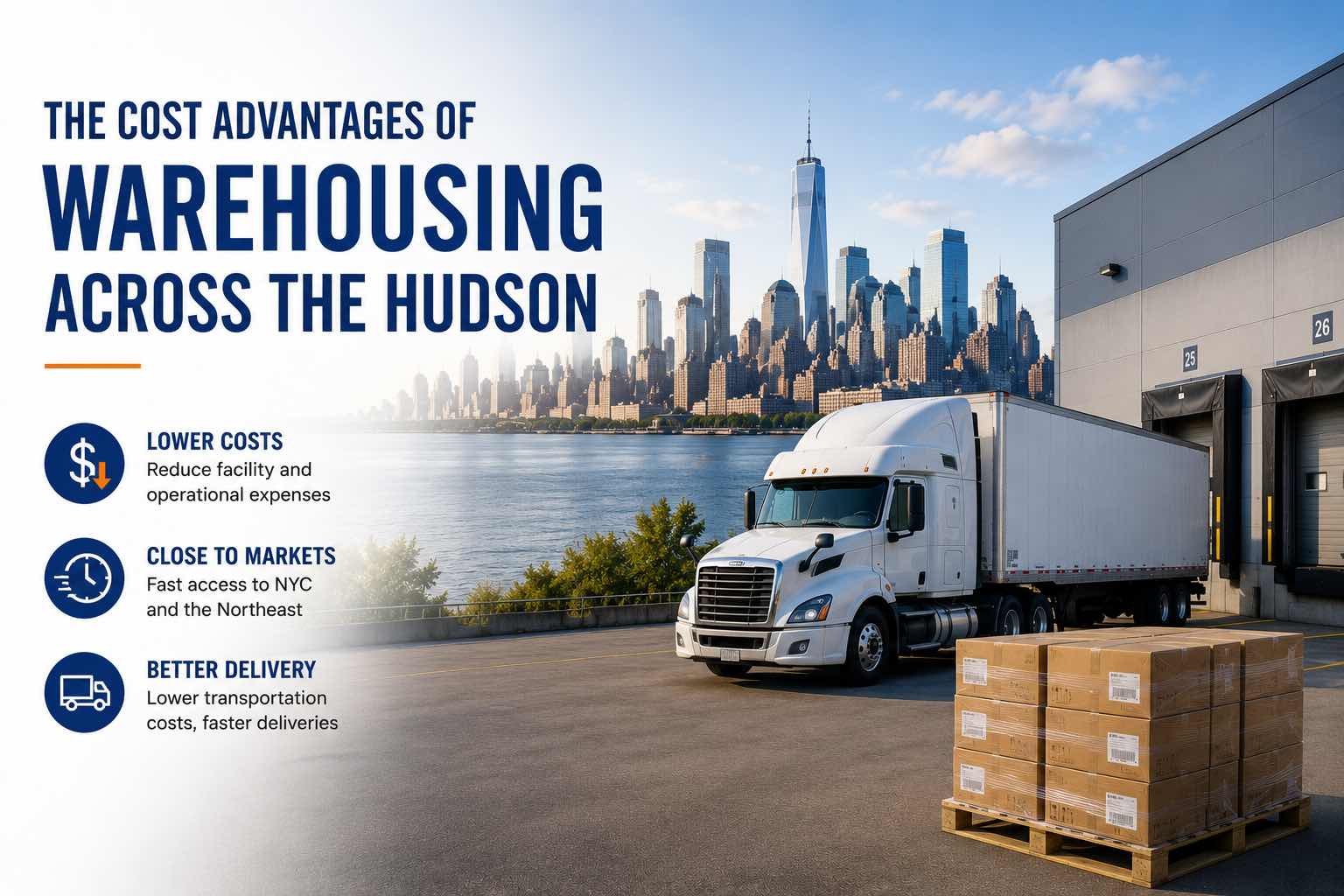
After clearance, your goods must be transported from the port to a warehouse for storage or fulfillment. That’s where Van Brunt Warehousing & Logistics becomes a valuable partner. Located near the Port of NJ/NY, we offer drayage services, container unloading, inventory storage, and full-service order fulfillment.
By keeping your cargo close to its port of entry, you save time, reduce inland freight costs, and ensure faster delivery to East Coast markets.
Partnering with a Trusted Logistics Provider
Shipping from Pakistan to the U.S. involves many moving parts — but with the right logistics strategy and warehousing partner, the process can be smooth, scalable, and profitable. Van Brunt Warehousing & Logistics is here to help you take the complexity out of international shipping and position your business for success.
Contact us today to learn how we can support your shipments from Pakistan and streamline your East Coast distribution strategy.