


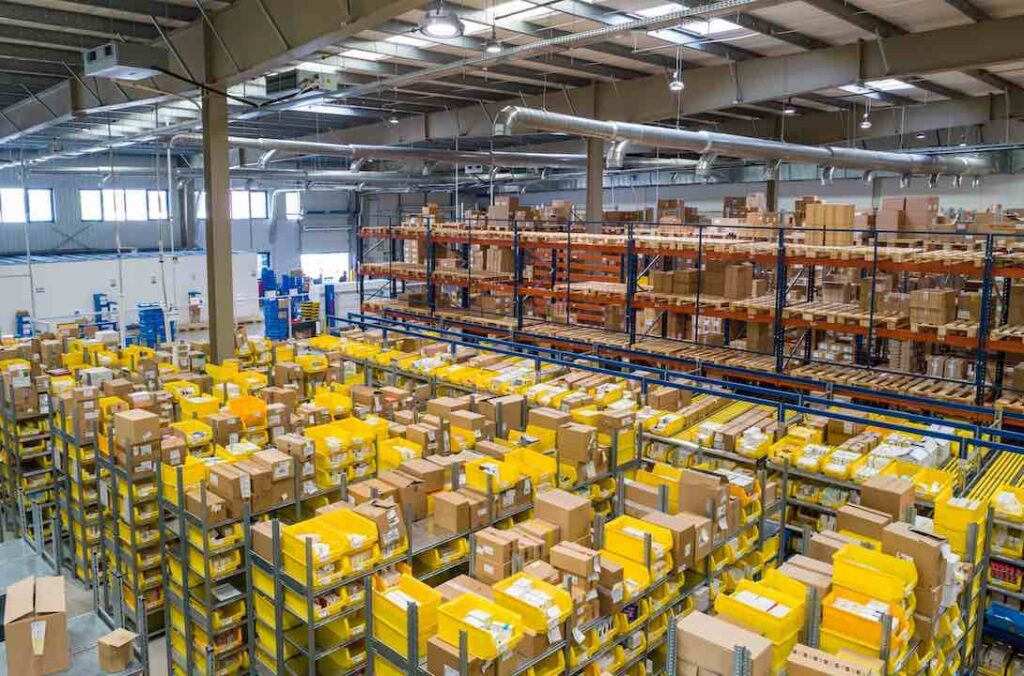

Structured Inventory Management Solutions for Warehouse Operations
Inventory management services provide structured control and visibility over goods stored, staged, and moving through warehouse and distribution environments. These services focus on accuracy, organization, and coordination to support efficient operations across storage, fulfillment, and transportation workflows.
Effective inventory management allows organizations to track inventory status, optimize space utilization, and align stock levels with demand while reducing errors and operational friction.
Inventory Tracking and Warehouse Control Processes
Centralized Inventory Oversight
Within 3PL operations, inventory management provides centralized oversight of inbound, stored, and outbound inventory. Structured processes support consistent tracking, location accuracy, and status visibility across warehouse environments.
This oversight helps ensure inventory remains accessible, organized, and aligned with downstream operational requirements.
Supporting Storage and Distribution Coordination
Inventory management connects warehousing and distribution activities by coordinating how inventory is received, stored, staged, and released. This coordination supports smoother transitions between storage, fulfillment, and transportation workflows.
Inventory Tracking and Visibility
Accurate Inventory Tracking Processes
Inventory is tracked through defined receiving, storage, and outbound procedures that support accurate counts and real-time visibility. Inventory status is maintained across locations and handling stages to support operational planning and reporting.
Consistent tracking reduces discrepancies and improves confidence in inventory data across supply chain teams.
Inventory Data for Planning and Forecasting
Clear inventory visibility supports demand planning, replenishment decisions, and distribution scheduling. Inventory data helps organizations anticipate needs, manage stock levels, and respond to changes in volume or demand patterns.
Storage Optimization and Space Utilization
Organized Inventory Placement
Inventory management supports organized placement strategies that improve accessibility and space efficiency. Storage layouts and location assignments are structured to reduce handling time and support safe, efficient movement.
Optimized placement helps maximize available space while maintaining orderly workflows.
Supporting Scalable Inventory Volume
Inventory management services are designed to adapt to changing inventory volumes driven by seasonality, growth, or market conditions. Processes scale without disrupting storage organization or operational flow.
Supporting Fulfillment and Distribution Workflows
Inventory Readiness for Order Processing
Accurate inventory management supports reliable order processing by ensuring inventory availability and location accuracy. Inventory can be staged or picked efficiently based on order requirements and delivery schedules.
This readiness helps improve fulfillment speed and order accuracy.
Alignment With Transportation Operations
By aligning inventory status with transportation planning, inventory management supports timely outbound movement and reduced dwell time. Inventory visibility enables better coordination across shipping and delivery activities.
Integration With Broader Warehousing Services
Supporting End-to-End 3PL Strategies
Inventory management operates alongside general warehousing, bonded warehousing, commodity storage, outdoor storage, and cross-docking services within broader 3PL warehousing strategies. This integration supports consistent control and visibility across diverse inventory types and storage environments.
Planning an Inventory Management Strategy
Inventory management strategies consider inventory characteristics, volume requirements, handling workflows, and operational goals. Processes are structured to support accuracy, visibility, and efficiency across storage and distribution operations.
Van Brunt Warehousing & Logistics provides inventory management services designed to support accurate tracking, organized storage, and scalable operations within 3PL environments. Inventory management workflows are structured around operational requirements, inventory flow, and visibility needs to maintain control and efficiency as supply chain demands evolve.
