

Coordinated Trucking and Freight Transportation Services
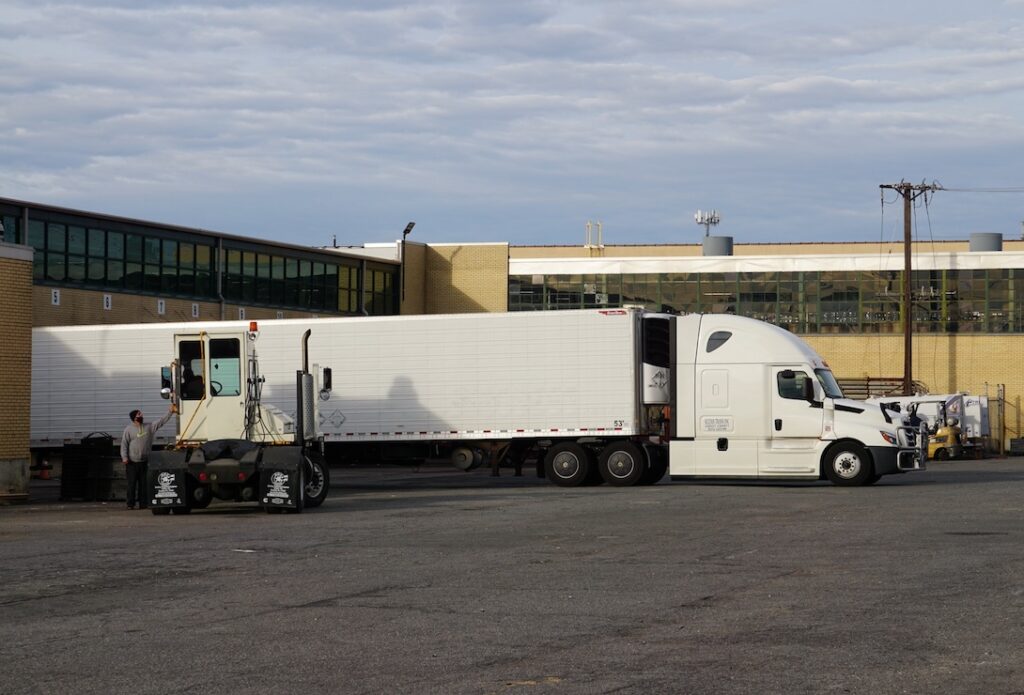
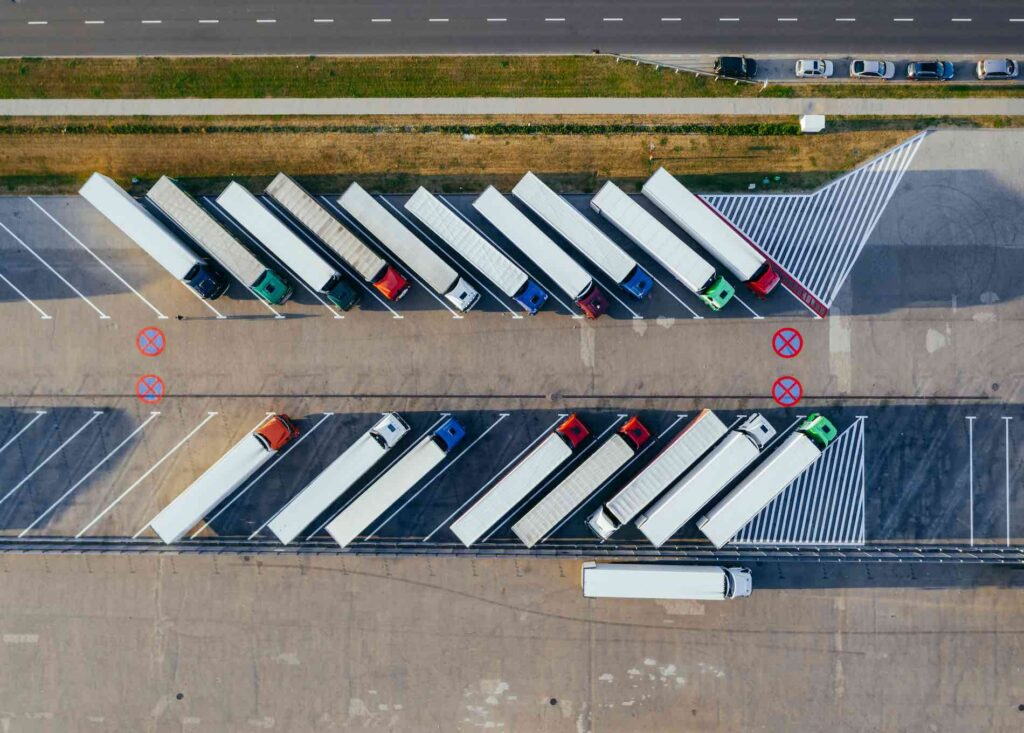
Trucking services support the over-the-road movement of freight across regional and national transportation networks. These services focus on reliable execution, flexible routing, and coordinated pickup and delivery to maintain continuity across supply chain operations.
Trucking is commonly used for inbound transportation, outbound distribution, and interfacility freight movement where direct ground transport is required to support timing, control, and visibility.
Trucking Within Partner Transportation Services
Coordinated Over-the-Road Freight Movement
Trucking services within partner transportation networks are structured to align freight movement with warehousing, fulfillment, and distribution operations. Pickup and delivery schedules are coordinated to support inventory flow and operational requirements.
This coordination helps maintain consistency across supply chain touchpoints without introducing unnecessary complexity.
Supporting Diverse Freight Profiles
Trucking services support a range of freight requirements, including full truckload and less-than-truckload shipments. Routing and scheduling are structured based on shipment characteristics, delivery windows, and operational priorities.
Over-the-Road Transportation Capabilities
Regional and Long-Haul Trucking
Trucking services support both regional and long-haul transportation depending on distance, volume, and delivery needs. Freight is routed to balance efficiency, reliability, and delivery timing across transportation lanes.
This flexibility supports scalable transportation strategies across multiple markets.
Point-to-Point and Network-Based Routing
Trucking operations may include direct point-to-point delivery or coordinated routing between facilities. Routing strategies are selected based on shipment urgency, cost considerations, and downstream requirements.
Coordination With Distribution and Fulfillment Operations
Aligning Transportation With Inventory Flow
Trucking services are coordinated with warehousing and fulfillment operations to support timely inbound and outbound movement. Freight pickup and delivery schedules are aligned with inventory readiness and order processing timelines.
This alignment helps reduce dwell time and maintain operational flow.
Supporting Time-Sensitive Shipments
Trucking services support time-sensitive freight where delivery timing is critical to downstream operations. Scheduling and execution are structured to support consistent on-time performance.
Visibility and Operational Control
Shipment Tracking and Status Awareness
Trucking services support shipment visibility through defined tracking and status updates. Awareness of freight location and movement supports planning, coordination, and proactive issue management.
Visibility helps reduce uncertainty across logistics operations.
Managing Exceptions and Adjustments
Trucking workflows are structured to accommodate changes such as rerouting, rescheduling, or delivery adjustments. This flexibility supports continuity when conditions or requirements change.
Integration With Partner Transportation Networks
Supporting End-to-End Transportation Strategies
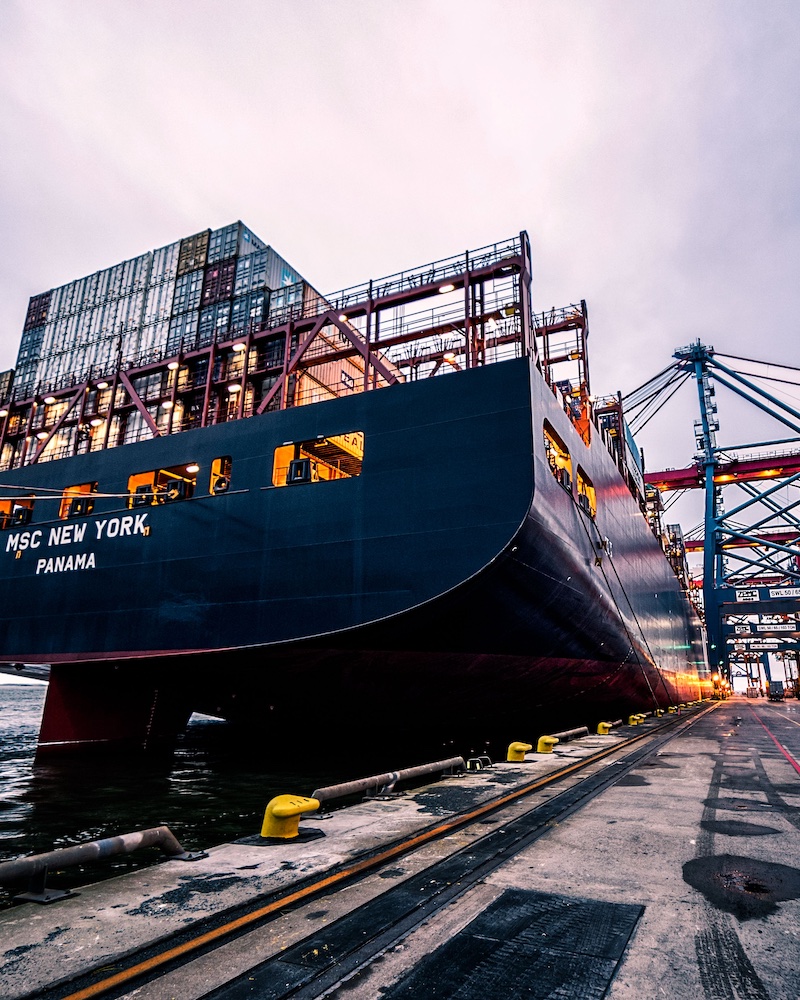
Trucking services operate as part of broader partner transportation networks that may also include freight management, drayage, and parcel shipping services. This integrated approach supports seamless freight movement across transportation modes.
Scalable Support for Changing Volume
Trucking services can adapt to changes in shipment volume, lane demand, or operational requirements. Scalable support helps maintain consistent execution as transportation needs evolve.
Add Trucking Services to Your 3PL Strategy
Trucking strategies consider shipment volume, routing requirements, delivery timelines, and coordination with upstream and downstream operations. Transportation workflows are structured to support efficiency, reliability, and operational alignment across the supply chain.
Trucking services provided through partner transportation networks are designed to support dependable ground freight movement, coordinated execution, and consistent delivery performance across logistics operations.
