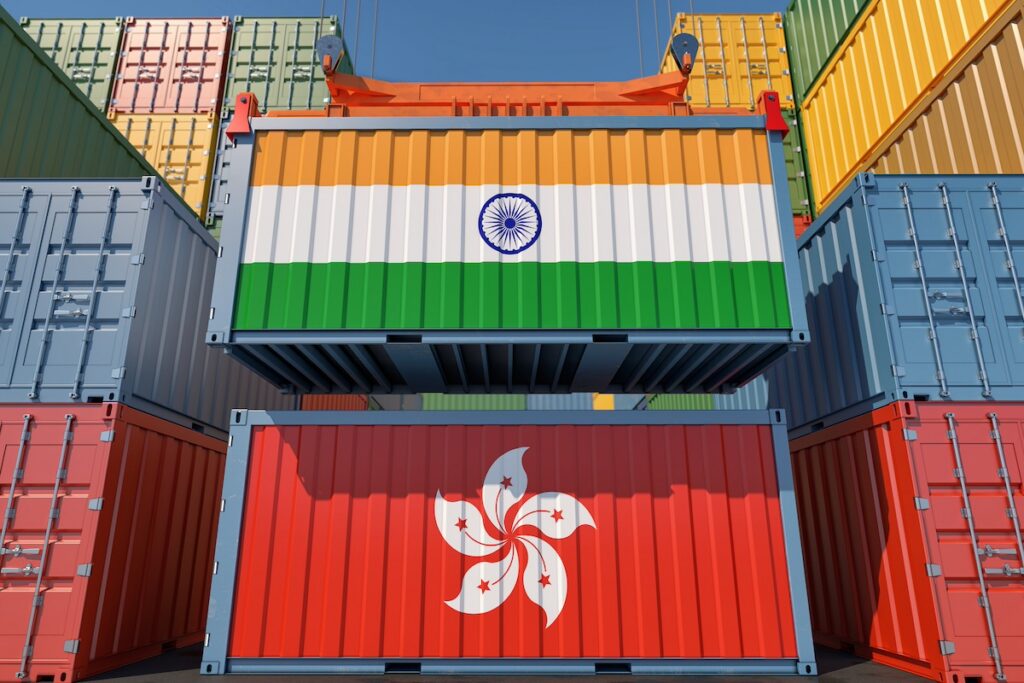
Shipping goods from India to the United States is a strategic move for many businesses looking to tap into one of the world’s largest consumer markets. But before your products hit American shelves or doorsteps, they must first pass through one of the most complex and heavily regulated customs environments in the world.
For Indian exporters and U.S. importers alike, understanding the customs process is essential for smooth, timely, and compliant international trade. Below is a breakdown of what you need to know when importing goods from India to the U.S.
1. Required Documentation for U.S. Customs Clearance
To clear customs in the U.S., your shipment must be accompanied by several key documents. Missing or incomplete paperwork can lead to delays, penalties, or even seizure of goods. Common required documents include:
- Commercial Invoice: Must detail the buyer, seller, item description, quantity, unit price, and total value.
- Packing List: Specifies the contents of each package for easy inspection and identification.
- Bill of Lading (BOL) or Air Waybill (AWB): Acts as a shipping receipt and outlines transport details.
- Import Security Filing (ISF): Also known as “10+2,” this must be filed with U.S. Customs at least 24 hours before goods are loaded onto the vessel bound for the U.S.
- Certificate of Origin: Sometimes required to verify the origin country, especially for duty calculation or trade agreement benefits.
- Customs Bond: A bond must be in place to cover the value of duties, taxes, and compliance assurance.
- Entry Manifest (CBP Form 7533) or Entry/Immediate Delivery (CBP Form 3461): Submitted to U.S. Customs and Border Protection (CBP) at the time of entry.
2. Understanding Import Duties and Tariffs
Import duties are calculated based on the Harmonized Tariff Schedule (HTS) classification of the goods, the declared customs value, and the country of origin.
Key things to know:
- Duty Rates Vary: Depending on the product, U.S. duty rates may range from 0% to over 30%. Indian textile and apparel goods, for example, often carry higher tariffs.
- Additional Tariffs: Certain product categories may be subject to anti-dumping duties or additional tariffs under trade actions.
- Valuation Rules: CBP typically uses the transaction value — the price actually paid — as the basis for duty calculation. Ensure invoices reflect accurate pricing and terms.
3. Complying With U.S. Import Regulations
Beyond customs, your goods may be subject to additional regulatory scrutiny depending on the industry. Common agencies involved include:
- FDA (Food and Drug Administration): For food, cosmetics, pharmaceuticals, and medical devices.
- USDA (U.S. Department of Agriculture): For agricultural products and raw materials.
- CPSC (Consumer Product Safety Commission): For children’s products, electronics, and consumer goods requiring safety testing and labeling.
- EPA (Environmental Protection Agency): For chemicals, pesticides, and environmentally regulated materials.
Failure to meet agency standards can result in detention or refusal of entry — even if you’ve cleared CBP.
4. Customs Clearance Timing and Best Practices
Clearing customs typically takes 1 to 5 days, depending on the port, complexity of the goods, and completeness of your documentation. Delays are often preventable.
Best Practices:
- Work with an experienced Customs Broker or 3PL partner familiar with India-to-U.S. trade.
- Ensure all documents are accurate, consistent, and submitted on time.
- Use proper HTS codes to avoid misclassification penalties.
- Track your shipments proactively and communicate regularly with your logistics provider.
Partnering With a 3PL for U.S. Customs Success
Managing customs clearance from overseas can be overwhelming, especially for growing brands or first-time importers. That’s where a U.S.-based third-party logistics partner like Van Brunt Warehousing & Logistics can make a significant difference.
We help streamline the process by:
- Coordinating with customs brokers and freight forwarders
- Ensuring timely documentation and compliance
- Receiving, storing, and fulfilling your inventory from our strategically located Northeast warehouse
- Offering transparent communication from port to final delivery
Ready to Simplify Your U.S. Import Process?
Whether you’re a seasoned Indian exporter or new to global trade, Van Brunt Warehousing & Logistics is here to help. Contact us today to learn how our team can support your international supply chain — from customs clearance to last-mile delivery.