A 3PL Provider for Retail and eCommerce Companies
Retail and eCommerce companies require logistics operations that support speed, accuracy, and consistency across multiple sales channels. Customer expectations, inventory turnover, and fulfillment complexity demand logistics workflows that can adapt to both planned and unpredictable demand.
Logistics support for retail and eCommerce environments must balance efficiency with flexibility while maintaining visibility and control across inventory and order flow.
Logistics Support for Multi-Channel Commerce
Managing Direct-to-Consumer and Retail Distribution
Retail and eCommerce companies often operate across multiple fulfillment channels, including direct-to-consumer, wholesale, and retail replenishment. Logistics workflows must support each channel without creating operational silos.
Coordinated execution helps ensure inventory is positioned correctly and orders move efficiently across channels.
Supporting Omnichannel Fulfillment Strategies
Omnichannel strategies require alignment between inventory availability, order routing, and delivery expectations. Logistics services are structured to support consistent execution regardless of how or where orders are placed.
This alignment helps reduce delays, overselling, and fulfillment errors.
Warehousing and Inventory Management
High-Velocity Inventory Handling
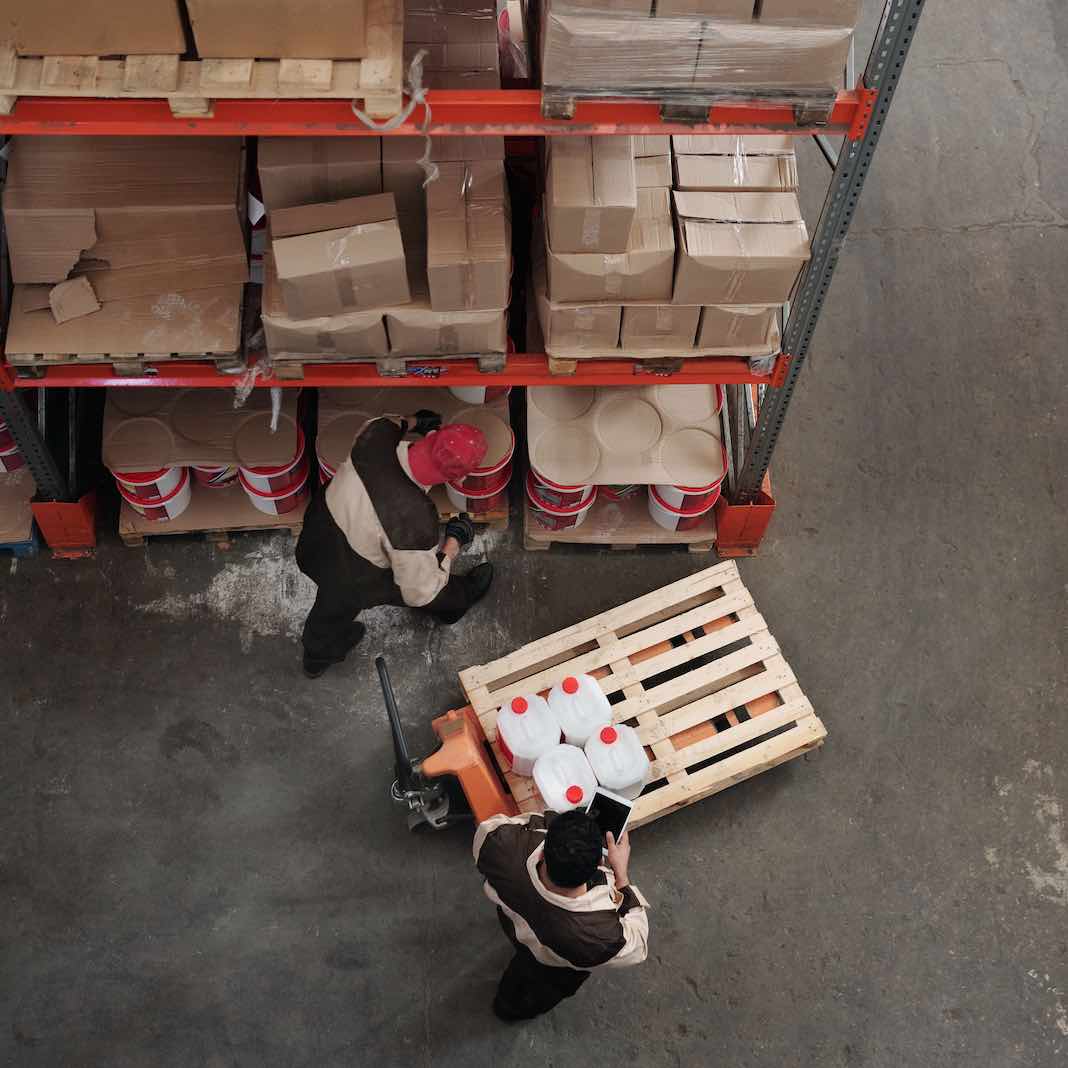
Retail and eCommerce operations often manage fast-moving inventory with frequent inbound and outbound activity. Warehousing strategies must support rapid inventory turnover while maintaining accuracy and organization.
Efficient storage and picking workflows help support order speed and accuracy.
Maintaining Inventory Visibility Across Channels
Inventory visibility is critical when selling across multiple platforms or channels. Accurate tracking helps ensure inventory availability aligns with sales activity and fulfillment demand.
Clear visibility supports better planning and reduces fulfillment disruptions.
Fulfillment and Order Execution
Supporting High-Volume Order Processing
Retail and eCommerce fulfillment environments require the ability to process high order volumes efficiently, especially during promotions or seasonal peaks. Fulfillment workflows are designed to scale without sacrificing accuracy.
Scalable execution supports consistent customer experience during demand fluctuations.
Meeting Delivery Expectations
Delivery speed and reliability play a significant role in customer satisfaction. Logistics coordination helps align fulfillment execution with transportation and carrier selection to support delivery performance.
Maintaining delivery consistency helps protect brand reputation.
Value-Added Services for Retail and eCommerce Operations
Supporting Product Preparation and Compliance
Retail and eCommerce companies may require services such as labeling, kitting, inspection, or rework to support packaging standards, promotions, or compliance requirements.
Value-added services integrate into fulfillment workflows without adding unnecessary complexity.
Managing Promotional and Seasonal Programs
Promotions, launches, and seasonal programs introduce variability into logistics operations. Flexible services help support these initiatives without disrupting day-to-day fulfillment.
Transportation and Delivery Coordination
Aligning Parcel and Freight Shipping
Retail and eCommerce operations often rely on a mix of parcel and freight transportation. Logistics coordination helps align shipping methods with order profiles, destinations, and service expectations.
This coordination supports cost control and delivery reliability.
Supporting Returns and Reverse Flow
Returns are a natural part of retail and eCommerce operations. Logistics support helps manage reverse flow efficiently, maintaining inventory visibility and minimizing operational disruption.
Supporting Growth and Operational Stability
Scaling Logistics as Sales Grow
As retail and eCommerce companies grow, logistics requirements evolve. Services are structured to scale alongside sales volume, product expansion, and channel growth.
Scalable logistics support helps avoid operational bottlenecks.
Reducing Risk During Demand Spikes
Promotions and peak seasons can strain logistics systems. Structured workflows and flexible capacity help reduce risk during high-demand periods.
Planning a Logistics Strategy for Retail and eCommerce
Logistics strategies for retail and eCommerce companies consider inventory velocity, channel mix, order volume, and customer expectations. Services are structured to support speed, accuracy, and consistency across fulfillment and distribution operations.
Van Brunt Warehousing & Logistics supports retail and eCommerce companies with logistics services designed to align inventory management, fulfillment execution, and transportation coordination across multi-channel commerce environments.